As this year draws to a close, we are holding a moment that once felt impossibly out of reach.
It has been four solid years of research, collaboration, persistence and belief, and as many of our followers would know, last year we identified a gene therapy candidate for SPG56 that could be taken all the way to the clinic. That milestone alone marked a turning point in what had long been considered an untreatable condition.
This past year has taken that work even further.
After many months of meticulous effort by the team at Weill Cornell Medicine, our gene therapy has now passed all toxicology and safety testing. And just before Christmas, something extraordinary happened.
Just before Christmas, the first doses of this therapy were vialled and labelled, a moment that felt like the gift we have been wishing for since Tallulah’s diagnosis in 2020.
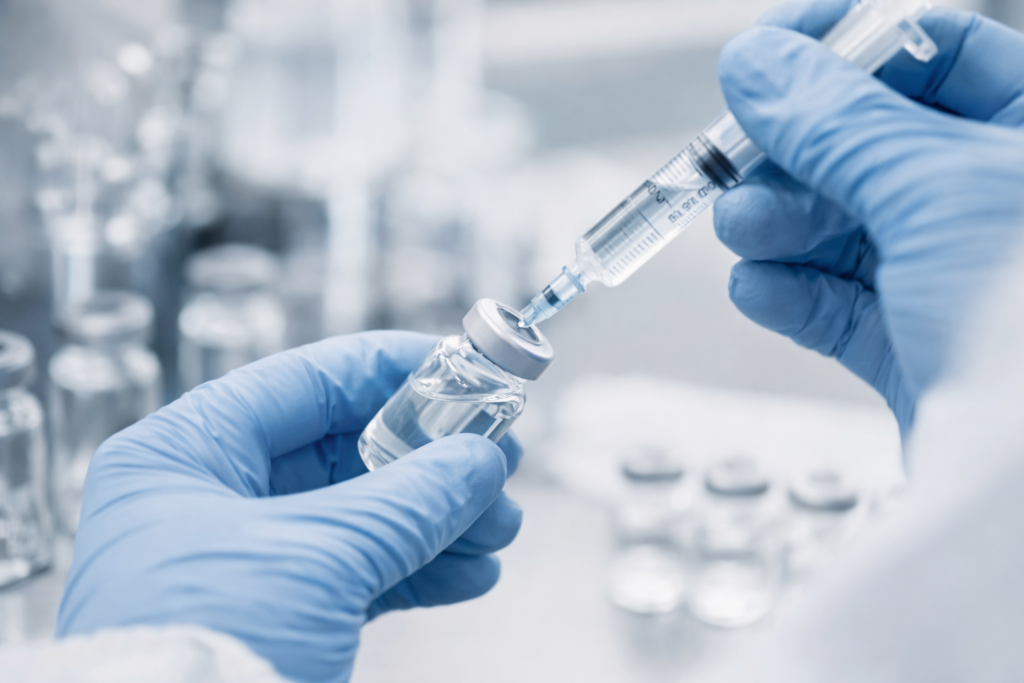
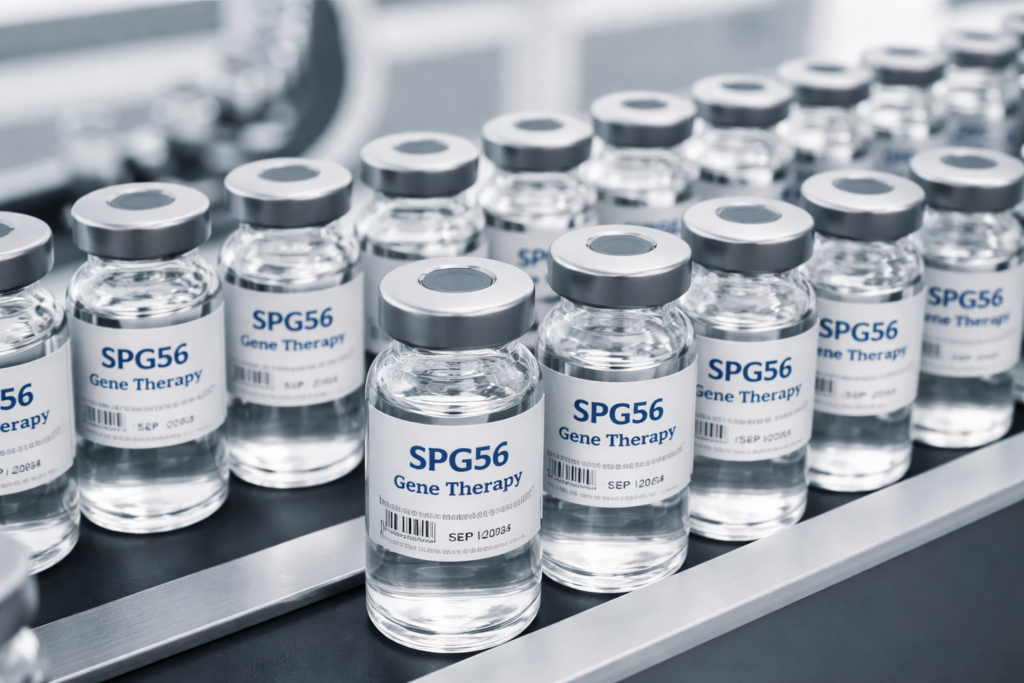
For the first time in history, a gene therapy for SPG56 has physically existed in this form. The doses were vialled and carefully labelled, prepared with precision and care, and set aside for their future destination. These vials are destined for a hospital in 2026, carrying with them the hopes of families who have been waiting for something more than uncertainty for their children living with SPG56.
The relief and subsequent anticipation we feel now is hard to put into words.
This milestone would not have been possible without an extraordinary scientific team standing beside us. We are deeply grateful for the dedication and expertise of our team at Weill Cornell Medicine, including Professor Stephen Kaminsky, Dr Dolan Sondhi, and Dr Neil Hackett, whose careful and tireless work has carried this manufacturing phase to this point.
We are also profoundly thankful for our International Scientific Advisory Board, led by Professor Rebecca Schüle, Professor Darius Ebrahimi Fakhari, and Professor Helene Puccio. Their ongoing guidance, rigorous review, and thoughtful insight continue to shape our program and its clinical translation, always with a clear focus on what will best serve children living with SPG56. We are forever grateful for their commitment to this mission and to our community.
It has been a big year for our mission. It has also been a tough one. We faced setbacks, delays, and moments where the weight of uncertainty pressed heavily on our family and the broader SPG56 community. There were times when progress felt fragile and the path forward required deep reserves of patience and resolve. However, the mission and the army behind it has prevailed.
To end the year on this note feels deeply grounding. Knowing that this first ever therapy could be in the clinic in potentially a few short months, allows us to look back on the rollercoaster of 2025 with a sense of hard earned calm. We have weathered the challenges. We have adapted. We have come through stronger.
One of the most meaningful aspects of this milestone is that it was not reached alone. Other families joined us in fundraising during the manufacturing phase, united by shared hope and a willingness to move forward together. Their involvement means that more children could be able to participate in the clinical trial. This collective effort has expanded what is possible for the SPG56 community and you can learn more about these legends in our ‘Meet the kids’ page.
As we look ahead to the year before us, we do so filled with cautious optimism and renewed purpose.
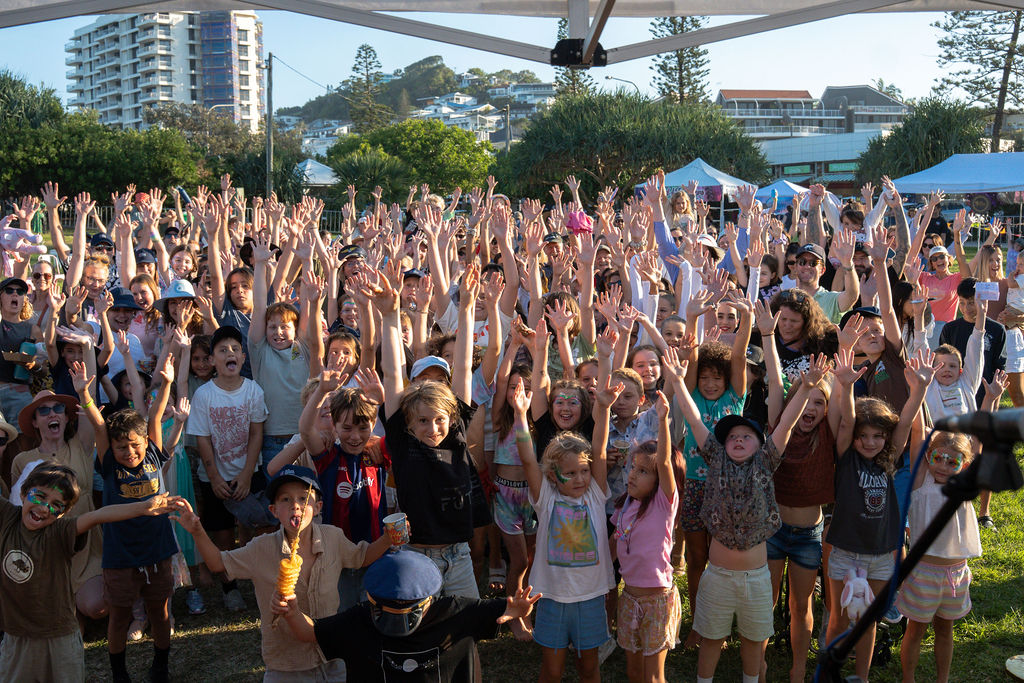
To every member of Tallulah’s Army, thank you. Your support, belief, generosity and encouragement have carried this mission forward to a place we once only imagined. We are forever grateful for the community that surrounds us.
We will continue to keep you updated as we take the next steps, holding this milestone close and moving forward together with hope.
Let’s do this #TallulahsArmy: Let’s Cure SPG56.